- +91-9311494253
- info@noormedicaltourismhealthcare.com
 (1)_page-0001.jpg)
Urology
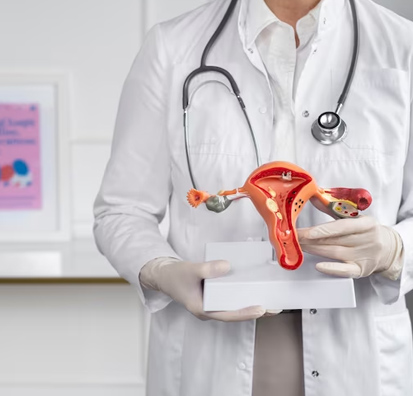
Urology
Urology is a branch of medicine that focuses on medical conditions of the male and female urinary tract systems. The urologist is a medical professional that specialises in the urinary system in both men and women. In ancient times, doctors used to examine the urine of a patient for clues about their illness.
Today, there is an entire field of medicine that focuses on the health of the urinary system which includes the kidney, bladder, prostate, penis & testis. Modern urologists are well versed in all aspects of urology, medical procedures used for the care, and aftercare treatment offered after surgeries.
Below mentioned FAQs broadly describe the urology problems and mention the alarming signals of seeing a urologist.
What Kind of Education & Training Does a Urologist Have?
Urologists must have a medical degree from a certified institution. They can join a medical college after clearing the NEET examination. To prepare for a urology examination or NEET, one must stand well-versed in subjects like physics, chemistry, and biology.
After medical school, urologists undergo a residency in a urology facility. After five years, the student must pass a specialist board test. After residency and board tests, urologists can work at hospitals or create their own offices.
What Is The Urinary Tract?
The kidneys, ureters, and bladder, are the key components of the urinary tract. The urinary tract is your body’s drainage system for removing urine. Urine is a combination of waste and water. In order for urination to occur normally and without any complications, all body parts in the urinary tract need to work together.
Urinary Tract Infection (UTI) is the most common condition that mainly occurs when bacteria from the skin or rectum enter the urethra and infects the urinary tract. Usually, women have a shorter urethra than men making it more likely for bacteria to reach the bladder or kidneys and cause the infection.
What Do Urologists Do?
A urologist is trained to diagnose and treat problems of the urinary tract. Urologists deal with men and women alike. With women, a urologist deals only with the problems of the urinary tract.
Female urology covers a set of conditions such as overactive bladder, urinary incontinence, and pelvic organ prolapse which are treated by a female urologist or urogynecologist.
With men, however, the urologist can diagnose and treat disorders of the penis and testicles also. They also look after male infertility and sexual disorders.
If you get an appointment with the urologist, they will generally take notes regarding your condition from the referring doctor during their first visit. They will examine your medical history and do the physical examination in the following phase.
During the examination, the patients are asked to undress themselves from the waist down and are provided with a gown so that the urologist can easily examine the exact issue.
What organs are treated by a urologist?
Urology mainly focuses on diagnosing and treatment of diseases concerning the urinary system. The major function of the urinary system is to keep the body clean and filter out toxins and wastes from the body.
Major organs that come under urology and are treated by urologists in males and females are-
- Adrenal glands : These glands release hormones and are located on top of each kidney.
- Kidneys : Kidneys filter waste out of blood to fabricate urine.
- Uterus : These are the tubes using which urine flows from the kidneys to the bladder.
- Bladder : It is the hollow sac that acts as a temporary storage reservoir for urine.
- Urethra : Urethra is the tube through which the urine travels out of the body from the bladder. A urologist also treats male reproductive system parts like
- Prostate : This gland under the bladder adds fluid to sperms to help produce semen.
- Testicles : These are the two oval organs inside the sac-like structure called the Scrotum that creates testosterone and facilitates the production of sperm.
- Penis : Penis releases urine and carries sperm out of the body.
Symptoms to Consult a Urologist
You should see a urologist when suffering from pain, bleeding, or inflammation of the urinary tract. The common symptoms are:
Symptoms in Men
- Pain in the testicles
- Painful and frequent urination
- Blood in urine
- Erectile dysfunction
- Enlarged prostate
Symptoms in Women
- Pain in the back or sides
- Bloody urine
- Burning sensation during urination
- Frequent urination urges
If you are consulting a general physician and these problems persist, they may recommend you to a urologist. Both male and female patients are referred to urologists. Many women visit gynaecologists when suffering from urinary infections and trauma. A urologist will help treat diseases and conditions affecting women during treatment.
What kind of diseases do urologists treat?
Urologists treat some common and some rare conditions that may affect men and women separately or are common in both. Some conditions treated by urologists are -
In Males
- Cancers of different organs like Kidney cancer, Bladder cancer, Penis cancer, Prostate cancer and testicles cancer.
- Erectile Dysfunction
- Kidney diseases and Kidney Stones
- Urinary Tract infections
- Prostatitis or enlarged Prostate Glands
In Females
- Urinary incontinence
- Urinary Tract infections (UTIs)
- Bladder Prolapse
- Cancers of the Bladder, Kidney and Adrenal gland
In children
- Urinary Tract infections (UTIs)
- Disorders of sex development
- Kidney stones
- Tumours and malignancies of the Kidney, Bladder and Testis
- Pre-birth urological issues
What Treatments Procedure Can a Urologist Perform?
There are many reasons you could find to see a urologist. During the treatment, the urologist can perform various urology procedures to diagnose and treat different urologic conditions.
- Cystoscopy : cystoscopy examines the bladder and urethra by seeing them with a cystoscope. It detects an enlarged prostate and cures bladder problems.
- Ureteroscopy : Ureteroscopy cures kidney stones. The urethra, bladder, and ureter guide a ureteroscope to the kidney stone. Larger stones must be split apart.
- Prostate Biopsy : A prostate biopsy removes questionable tissue samples from the prostate.
- Nephrectomy : Nephrectomy (kidney removal) is a surgical procedure that removes all or part of a kidney.
- Vasectomy : Vasectomy is male birth control surgery. During the treatment, the doctor seals the vas deferens.
What are the Subspeciality Areas of Urology?
The scope of urology is significant as it possesses various sub-speciality areas like -
- Urologic Oncology
- Kidney Transplantation
- Paediatric Urology
- Male Infertility
- Minimally invasive surgery
- Genitourinary Reconstruction
- Sexual Medicine
When Should I See The Urologist?
Your doctor may advise you to visit a urologist if you’re exhibiting symptoms of a Urinary Tract Infection (UTI), difficulty in passing urine, blood in urine, Incontinence (urinary leakage), or Erectile Dysfunction. As these illnesses lie in the scope of a urologist, a general doctor will recommend that you visit one. The urologist also looks after male infertility and sexual problems.
What Can I Expect From a Urologist?
The urologist will normally perform a range of tests to determine what the problem is. Imaging tests, such as an ultrasound, CT, Cystoscopy, MRI scan, can help the urologist to locate the problem and a urine test may be performed to check for bacteria and other signs of disease.
A patient may feel uncomfortable during cystoscopy, but it does not produce disturbing pain. The most commonly ordered tests in urology are urine collection and blood tests. They are generally one of the initial steps while diagnosing and screening urologic conditions.
If the situation is more serious, a biopsy may be performed; this is traditionally to check for cancer and other disorders. The urologist may also ask you questions about your medical history and carry out a physical examination.
If you’re experiencing a frequent need to urinate, pain in passing urine, difficulty in passing urine, blood in urine, pain in your lower back, or trouble sustaining an erection and early ejaculation. You should consult an expert. In order to maintain a healthy urinary tract, urologists recommend that you regularly empty your bladder and drink water instead of caffeine.
They also stress the importance of avoiding smoking and maintaining a low-salt diet. By following these simple rules you can prevent a wide range of urological problems. All tumours or cancer of the kidney, prostate, penis, urinary bladder and testis are also treated by the urologist. Moreover, Most urologists also do kidney transplants.
Also, Check Urologic Cancer Symptoms
Why Noor Medical Tourism& Healthcare?
Uplifting Urological Wellness with Noor Medical Tourism & Healthcare: Your Partner for Urology Care
- Expert Urologists : Connect with skilled urologists and specialists renowned for their expertise.
- Cutting-Edge Facilities : Access advanced urology centers equipped with state-of-the-art diagnostics and treatments.
- Tailored Treatment Plans : Personalized urology solutions designed to address your specific urinary and reproductive health needs.
- Holistic Approach : Comprehensive care that encompasses diagnosis, treatments, and preventive measures for optimal well-being.
- Effortless Medical Travel : Seamless arrangements for travel, accommodations, and appointments, minimizing disruptions.
- Transparent Communication : Clear information about urological conditions, treatment options, risks, and benefits.
- Post-Treatment Support : Ongoing guidance, follow-up care, and monitoring for sustained urological health.
- Emergency Preparedness : Immediate access to urology specialists and medical facilities in urgent cases.
- Cutting-Edge Interventions : Explore the latest advancements in urological treatments and procedures.
- Cultural Sensitivity : Navigate your urological journey with respect for cultural norms, ensuring your comfort.
Choose Noor Medical Tourism & Healthcare for exceptional urology care, where your urological health and overall well-being are our top priorities.