- +91-9311494253
- info@noormedicaltourismhealthcare.com
 (1)_page-0001.jpg)
Fertility Treatment
Fertility Treatment in India
The decision to have a baby comes up at some point in your lifetime. Understanding fertility as a concept is crucial in order to treat infertility. Statistics of show that most couples (85%) will be able to conceive within a year. However, the remaining 15% is recommended to see a reproduction specialist. Symptoms (Fertility Treatment) include:
- Irregular menstrual periods: Ovulation of the egg is necessary for pregnancy. Therefore, if you have irregular menstrual periods in an interval greater than 35 days, you might not be ovulating at all. Make sure to check the cycle of your periods and consult a doctor.
- Female older than 35: The number of eggs will begin to decrease by the time a female is 35 or older. Therefore, the quality of the eggs will decrease as well. We recommend a fertility evaluation test, especially if the couple has been trying to have kids for some time.
- Sexually transmitted diseases: Chlamydia or Gonorrhea cause blotching of the fallopian tubes. In order to conceive, the sperm must travel into the tubes to fertilize the ovulated egg. If you have had the previous history of STIs and are failing to conceive, we recommend seeing a doctor.
- Male semen abnormalities: When faced with infertility in your lives, it is important not always to blame the female. In many cases, male has been a cause of infertility for centuries. If experienced abnormalities of semen analysis we advise taking more time to conceive.
Best infertility treatment center in Bangalore
Treatment for Infertility
Medications: Some medications stimulate the ovulation of the egg. Such medications include pills or injections. The most common pill is clomiphene, which is an anti-estrogen. On the other side, the most common injection is called gonadotropins which are usually taken nightly for 5-10 days.
- Insemination : This process, also known as IUI (intrauterine inseminations), is a process in which the sperm is washed and placed into the uterine cavity. The washing process happens in order to separate motile sperm from immotile sperm.
- In Vitro Fertilization (IVF) : As the translation of the phrase “in vitro” suggests, this process is conducted outside the body. IVF is a process where eggs are fertilized by the sperm in a laboratory. Ever since 1978, when the first baby was born through IVF, the procedure became a major breakthrough, especially for parents who’ve wanted kids for a long time.
- Third-party reproduction : Such term is used when a couple involves a third person who provides the eggs or serves as a surrogate. There are four types of third party reproduction include sperm donation, egg or ovum donation, embryo donation and gestational surrogacy. Your doctor should discuss each of the types if it is appropriate for your case.
- Surgery : After a detailed fertility test and historical examination, your doctor might recommend surgery to correct any of the abnormalities. The most famous surgeries include laparoscopy, hysteroscopy and abdominal myomectomy.
Know more about Infertility Treatment Cost in India
Cost of Infertility Treatments in India
The cost of treating infertility or Fertility Treatment cost or IVF cost in India varies from around Rs.79 000 to 1 75 000, which depends on the expertise of the doctors and the facilities of the hospitals. However, the same treatments cost much more in advanced countries such as the US or the UK. Also, remember that not every infertility treatment is successful. Sometimes you may need more than one. So carefully choose the clinic, not only based on cost but the rate of success as well.
Who should consider Gastroenterology Surgery?
Infertility is the inability of a person (male or female) to reproduce naturally. World Health Organisation defines infertility as a disease of the reproductive system defined by the failure to achieve a clinical pregnancy after 12 months or more of regular unprotected sexual intercourse (and there is no other reason, such as breastfeeding or postpartum amenorrhoea). Primary infertility is infertility in a couple who have never had a child. Secondary infertility is failure to conceive following a previous pregnancy.
Infertility is a major concern for married couples desiring to have children. Infertility has psychological and social impact on the couple. It can cause personal sufferings of the couple. Even in the society, couples unable to bear children are not looked upon in a good way. Inability to conceive bears a stigma, especially for the females. Infertility has more psychological effect on females as inability to experience motherhood pulls them into depression.
Fertility Causes and Treatments
Causes of infertility is different in males and females. Infertility may be caused due to genetic mutations, poorly developed sex organs or hormonal imbalances in the body.
- Males : The main cause of male infertility is low semen quality. Either the amount of semen produced is insufficient to cause fertilisation or the sperm produced are not viable. This is caused either due to DNA damage, poorly developed testes, hormonal imbalances or blockage of the man’s duct system.
- Female : A woman unable to conceive is called infertile. The reasons for infertility in females are quite diverse. Main reasons include hormonal imbalances, production of non-viable gametes, obstruction in duct system, ovulation problems, tubal blockage and uterine problems. Uterine problems make the female unable to carry the pregnancy to full term even if she achieves normal fertilisation.
What is fertility treatment?
Infertility is a major problem these days. But thanks to advanced medical technologies, it is now possible to treat infertility in some people using surgeries, medicines, or assisted conceptions.
Fertility treatment is sought by couples who are unable to conceive naturally. In such cases, one of the partners is required to undergo fertility treatment. Infertility has a major impact on the lives of those who aren’t able to conceive naturally. It affects their personal relationships and state of mind. There are plenty of IVF hospitals in India where you will find efficient doctors who can help you conceive a baby.
Symptoms of Infertility
One of the major symptoms of infertility is not being able to get pregnant, despite trying multiple times. Other than this, there are not many obvious symptoms. In some cases, women with infertility might have irregular menstrual periods. For men, an inappropriate sexual function might be a symptom of infertility.
What causes infertility?
In males:
- Abnormal sperm production: Factors such as genetic defects, undescended testicles, and health issues like diabetes, mumps, HIV, or chlamydia can directly affect the quality of sperm.
- Environmental factors: Overexposure to chemicals or radiation and other harmful pesticides can affect fertility in men. Smoking tobacco and cigarettes and consumption of alcohol and marijuana can also affect the quality of sperm in the body.
- Sperm delivery problems: Sexual problems like premature ejaculation, genetic diseases like cystic fibrosis, or blockage in the testicles can also cause infertility.
- Cancer or its therapies: Radiation and chemotherapy hugely impact sperm production as these treatments aim to destroy cells in the body.
In females:
- Ovulation Failure: Ovulation is a period between the menstrual cycles where the ovaries release an egg. When the ovaries can’t successfully produce good-quality eggs, it becomes difficult to get pregnant.
- Menstrual problems: Problems with monthly menstrual cycles can also cause infertility, which might indicate serious health issues in females.
- Endometriosis: This occurs when the endometrial tissue grows outside the uterus, blocking the fallopian tubes and affecting the function of the uterus or ovaries.
- Uterine or cervical abnormalities: Sometimes, polyps in the uterus or shape of the uterus cause infertility. Uterine fibroids or growths in the wall of the uterus can also cause fertility issues in some women.
- PCOS: Polycystic Ovary Syndrome is among the top causes of women’s infertility. In this condition, a woman’s ovaries or adrenal glands produce more androgens than required. These affect the development of ovarian follicles and eggs during ovulation.
- Cancer and its treatments: Certain cancers, such as reproductive cancers, usually affect fertility. Radiation and chemotherapy can also cause infertility in women.
How is infertility diagnosed?
A series of tests are conducted on both males and females to determine infertility.
Diagnosis of infertility in men
- Physical examination: The first step to check for infertility in men includes a physical examination of the male reproductive system. Specialists examine the testicles for any lumps or deformities and examine the shape and structure of the penis.
- Semen examination: A sample of semen or sperm is collected and scanned for problems. Usually, it detects a low sperm count or sperm that won’t move properly.
- Chlamydia: A sample of urine is taken to check for chlamydia. Antibiotics are prescribed in case chlamydia is detected in the urine.
- Hormone testing: A blood test is conducted to determine the level of testosterone and other male hormones in the blood.
- Testicular Biopsy: In some cases, a testicular biopsy is conducted to determine the causes of infertility.
Diagnosis of infertility in women
- Ovulation testing : A blood test is conducted in females to determine if they are ovulating properly.
- Hysterosalpingogram : This test evaluates the condition of the uterus and fallopian tubes. It shows if the tubes have any kind of blockages or other problems. In this process, X-ray contrast is injected into the uterus, and a scan is conducted to see if the cavity is normal.
- Ovarian reserve testing : In this process, the quality and quantity of eggs available for ovulation are determined. Pituitary hormones that are responsible for reproduction are also checked using this method.
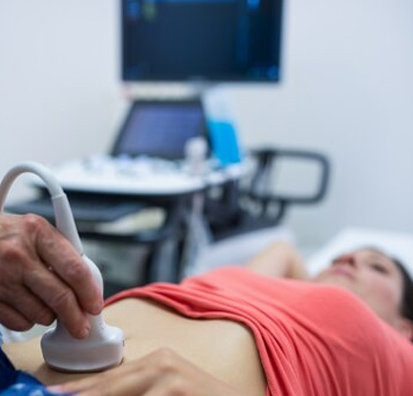
- Imaging : Ultrasounds are conducted to check for uterine or ovarian diseases.
- Laparoscopy : This is a rare testing method in which a small invasive surgery is conducted. A small incision is made beneath the navel, and a thin viewing device is inserted to view the fallopian tubes, ovaries, and uterus.
Treatment of Infertility
Fertility Treatment in India usually depends on the following factors:
- Cause of Infertility
- Period of infertility
- Age
- Personal choices of the patients
- There are different procedures for the treatment of infertility in men and women. Let us talk about them in detail.
Treatment of Fertility in Men
- Lifestyle Changes : In certain men, improving their lifestyle can be the best way to deal with infertility. These changes can include discontinuation of certain medications, eliminating the intake of harmful substances such as tobacco or drugs, exercising regularly, improving the frequency and timing of sexual intercourse, and other factors prescribed by the physician.
- Medications : Certain medications help improve chances of fertility by improving sperm count.
- Surgery : In cases of sperm blockage or to restore fertility in men, surgery can be an effective option.
Treatment of fertility in Women
- Ovulation Stimulation : Ovulation is stimulated in women by inducing certain drugs.
- Intrauterine Insemination : In this procedure, healthy sperm are placed directly into the uterus during the period of ovulation. The timing of this procedure is set according to the female patient’s menstrual cycle.
- Surgery : Hysterectomy surgery can be conducted to resolve uterine problems like endometriosis, uterine septum, intrauterine scar tissues, and fibroids.
Assisted Conception techniques
- In Vitro Fertilisation (IVF): This process is conducted by the best IVF hospitals in India. In this process, an egg is fertilized outside the body. Eggs from the females are removed from the ovaries and fertilized with the sperm in a laboratory. This egg is then placed back in the womb of the female’s body to grow and develop.
- Egg and Sperm Donation : If a person has an infertility problem that can’t be solved, they can opt for a donor who donates their egg/sperm to help in conception.
- Gestational Carrier or Surrogacy : Women who don’t have the appropriate uterus environment or whose pregnancy can be life-threatening can take the help of surrogacy. In this case, the couple’s embryo is placed in the uterus of a carrier known as a surrogate.
Why Noor Medical Tourism & Healthcare?
Fertility Treatment Excellence with Noor Medical Tourism & Healthcare: Your Pathway to Parenthood
- Expert Fertility Specialists : Connect with leading fertility doctors and specialists renowned for their expertise in reproductive medicine.
- Cutting-Edge Facilities : Access state-of-the-art fertility centers equipped with advanced technologies for accurate diagnosis and treatment.
- Personalized Treatment Plans : Tailored fertility solutions designed to address your unique reproductive needs and aspirations.
- Emotional Support : Comprehensive care that acknowledges the emotional and psychological aspects of fertility treatment.
- Effortless Medical Travel : Streamlined arrangements for travel, accommodations, and appointments, easing your journey.
- Transparent Communication : Clear information about treatment options, costs, and procedures, empowering your decisions.
- Post-Treatment Guidance : Continued support, counseling, and follow-up care to ensure a positive transition.
- Emergency Support : Immediate access to fertility specialists and medical facilities in case of urgent needs.
- Cutting-Edge Techniques : Explore the latest advancements in assisted reproductive technologies for optimal results.
- Cultural Sensitivity : Navigate your fertility journey with sensitivity to cultural norms, ensuring a comfortable experience.
Choose Noor Medical Tourism & Healthcare for comprehensive fertility care, where your dreams of parenthood are our utmost priority.
- Enables Family building
- Safe
- Conducted by expert doctors
- Surrogacy-friendly